Nutrixe
Hydrolysed vegetable protein contains gluten when it’s made from wheat, and hydrolysis isn’t enough to make it safe for someone with coeliac disease. In the EU, the label must then say “wheat”, emphasised. Made from soya, maize or pea, it brings no gluten of its own. What counts is the plant in brackets.
What hydrolysed proteins are
Hydrolysing a protein means cutting it into shorter fragments. In the food industry, it’s done to get a stock or meaty taste, or to boost the protein in a bar. You’ll find them under several names:
- hydrolysed vegetable protein (HVP), with no plant specified;
- hydrolysed wheat, soya, maize or pea protein;
- extrait végétal aminé on French stock cubes, like the “extrait végétal aminé (blé)”, wheat, in Maggi’s Kub Or, covered in our article on stock cubes and condiments;
- protein hydrolysate.
They turn up in soups and stocks, flavoured crisps, ready meals, sauces and some protein bars.
Why hydrolysis isn’t enough
You sometimes read that hydrolysis “breaks down” gluten and makes it harmless. Three findings, each documented, show it isn’t that simple.
The most active fragment is already small. In 2002, a Stanford team identified in wheat gluten a 33-amino-acid peptide that resists every enzyme of the stomach, pancreas and intestine, and that activated immune cells from every coeliac patient tested (14 out of 14). Cutting proteins up doesn’t make them harmless: it all depends on what’s left.
The usual test measures broken-down gluten poorly. The reference method for gluten-free products, the R5 “sandwich” ELISA, needs two recognition sites on the same protein. In a hydrolysed food, fragments sometimes carry only one, and escape measurement: a “competitive” test is needed (Mena et al., 2012). An Australian study on beer showed the effect in practice: beers rich in barley gluten fragments gave near-zero ELISA readings (Colgrave et al., 2014).
The authorities draw the conclusions. In the United States, the FDA notes that there is no validated analytical method for fermented or hydrolysed foods: to label such a food “gluten-free”, the manufacturer must show it was already gluten free before hydrolysis. In the EU, Regulation (EU) No 1169/2011 exempts only wheat glucose syrups and maltodextrins, barley glucose syrups and cereals used for distilled spirits. Hydrolysed wheat protein is not among them: wheat must be written and emphasised. The logic is the same as for soy sauce, brewed with wheat and fermented.
One case remains: a finished product carrying a “gluten free” claim commits its manufacturer to no more than 20 mg/kg of gluten (Commission Implementing Regulation (EU) No 828/2014); our article on the 20 ppm threshold explains what that claim is worth.
Three products, three answers
These three products are sold in France.
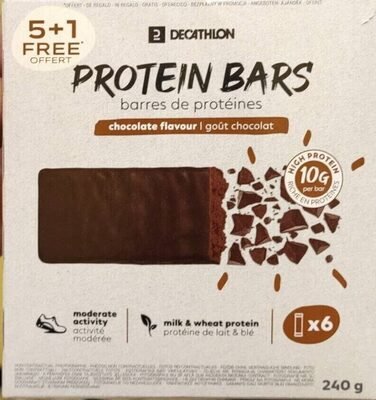
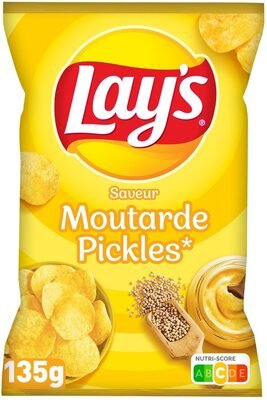
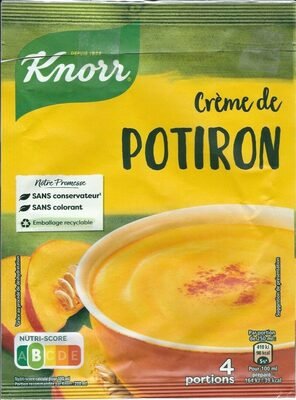
Photos and ingredient lists: Open Food Facts, a collaborative open-licence database, retrieved on 16 November 2026. Recipes change: the label on the product in your hand is what counts.
What the Nutrixe scanner does
The scanner reads the plant written next to the hydrolysed protein. “Hydrolysed wheat protein” or “extrait végétal aminé (blé)” give “Contains gluten”. “Soya”, “pea”, “maize”, or hydrolysed vegetable protein with no plant, don’t change the verdict on their own: in the EU, wheat would have to be written there. For the Knorr soup above, it’s the traces warning that decides.
Yeast extract, a different ingredient
Often listed next to hydrolysed proteins, yeast extract isn’t one: it’s the contents of yeast cells, rich in flavour. It has no gluten by nature, and the Italian Coeliac Association (AIC) lists it among permitted foods. But an extract made from brewer’s yeast can retain barley: British Marmite declares barley, wheat, oats and rye. Our article on yeast covers baker’s yeast, brewer’s yeast and yeast extract.
And in cosmetics?
Hydrolysed wheat protein is common in shampoos and hair care. For someone with coeliac disease, what matters is what gets swallowed: our article on cosmetics explains, including wheat allergy, which is a different condition.
The table
| No particular risk | To check | Contains gluten |
|---|---|---|
| Hydrolysed soya, maize or pea protein | Hydrolysed vegetable protein with no plant, with a traces warning | Hydrolysed wheat protein |
| Finished product labelled gluten free | Product imported from outside the EU | Extrait végétal aminé (blé) |
| Baker’s yeast extract | Unspecified yeast extract in a product with no claim | Classic Maggi seasoning, Kub Or |
In short
- Hydrolysed proteins are worth the plant they come from: wheat, gluten; soya, maize, pea, no.
- Hydrolysis isn’t enough: the active fragments resist, and the usual tests measure them poorly.
- In the EU, hydrolysed wheat protein has to say “wheat”, emphasised.
- Yeast extract is a different ingredient, read according to its origin.
A hydrolysed protein in the middle of a packet soup? The Nutrixe scanner reads the plant in brackets, and the traces line that follows. Discover the app.
For other flavour enhancers and ambiguous ingredients: MSG (E621), natural flavourings, modified starch and maltodextrin.
Sources
- Shan L. et al. Structural basis for gluten intolerance in celiac sprue. Science, 2002; 297(5590): 2275–2279. A 33-amino-acid peptide from wheat gluten resists gastric, pancreatic and intestinal proteases and activates gut-derived T cells from 14 of 14 coeliac patients.
- Mena M. C. et al. Comprehensive analysis of gluten in processed foods using a new extraction method and a competitive ELISA based on the R5 antibody. Talanta, 2012; 91: 33–40. The R5 sandwich ELISA requires two epitopes; in hydrolysed foods, peptides may carry only one; a competitive ELISA is better suited.
- Colgrave M. L. et al. Using mass spectrometry to detect hydrolysed gluten in beer that is responsible for false negatives by ELISA. Journal of Chromatography A, 2014; 1370: 105–114. Beers rich in hordein fragments give near-zero ELISA readings.
- Code of Federal Regulations, Title 21, § 101.91, paragraph (c)(2): with no valid method for fermented or hydrolysed foods, the manufacturer must show the food was gluten free before hydrolysis. Consulted on 16 November 2026.
- Regulation (EU) No 1169/2011, Annex II, point 1: cereals containing gluten and products thereof, the only exceptions being wheat glucose syrups and maltodextrins, barley glucose syrups and cereals for distillates; Article 21: allergen emphasised. Consulted on 16 November 2026.
- Commission Implementing Regulation (EU) No 828/2014: the “gluten-free” claim is reserved for foods containing no more than 20 mg/kg of gluten.
- AIC, L’ABC della dieta del celiaco (in Italian): yeast extract among permitted foods; stock cubes, stock preparations and extracts classed “a rischio”. Consulted on 16 November 2026.
- Open Food Facts, product entries 3583787740415 (Decathlon, protein bars), 3168930164579 (Lay’s, mustard pickles) and 8718114808185 (Knorr, cream of pumpkin), consulted on 16 November 2026.
This information is no substitute for medical advice. If you have coeliac disease, build your diet with your doctor or a dietitian, and a patient association such as Coeliac UK or, in the US, the Celiac Disease Foundation can support you.